Peristaltic pumps are among the most popular methods for pumping fluids in various industries. This is due to their simple design, the ability to pump fluids of varying viscosities, and the minimal contact between the fluid and moving parts. However, many professionals and users wonder how resistant the tubing used in these pumps is to abrasive media. To answer this question, it is important to first understand how peristaltic pumps work, the materials used, and the properties of abrasive fluids.
How a peristaltic pump works
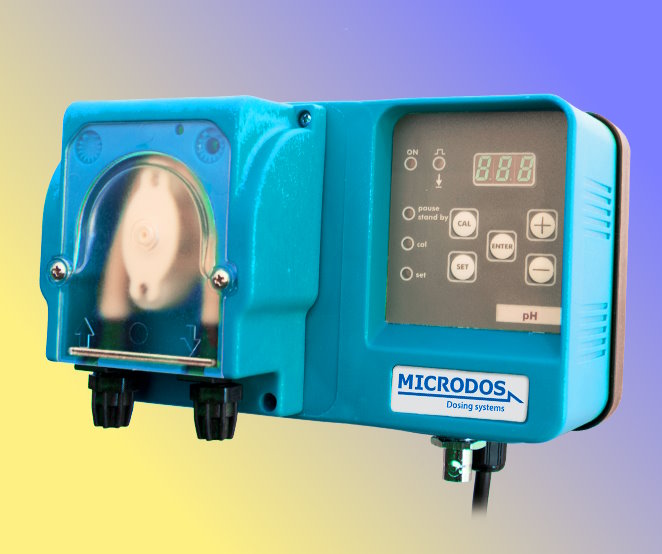
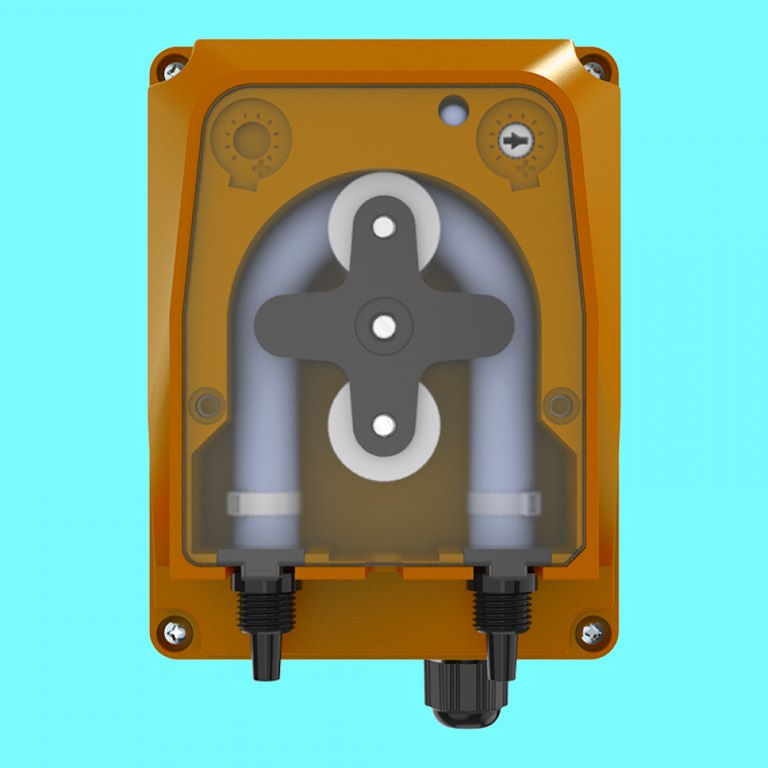
The operating principle of a peristaltic pump is simple: Small rollers or wheels compress a flexible tube, forcing fluid through it. The secret of this mechanism is that the fluid only comes into contact with the inner surface of the tube; moving parts or valves do not come into contact with the fluid. This makes peristaltic pumps ideal for pumping aggressive and viscous fluids, as well as solid particles .
However, since the hose is the only component that comes into contact with the fluid, it is vulnerable to its chemical and physical properties. Therefore, the hose’s material and construction are crucial for its corrosion and abrasion resistance.
What is a grinding fluid?
Abrasive fluids contain suspended solid particles and can corrode hose surfaces. Examples of such fluids include:
-
mineral or industrial sludge
-
Paints and coatings with metal particles
-
Industrial pastes with abrasive particles
-
Solutions containing sand, gravel or clay
These particles cause mechanical wear on the inner surface as they pass through the hose. The intensity of the wear depends on the following factors:
-
Particle size : Larger, sharper particles can cause more damage to the hose.
-
Particle concentration : The higher the concentration, the faster the hose wears out.
-
Fluid viscosity : Viscous fluids can cause particles to remain on the hose surface for extended periods of time.
-
Flow rate : The rapid flow of abrasive particles increases the pressure in the hose.
Resistance of the hose of a peristaltic pump to abrasive liquids
Hoses for peristaltic pumps are made from a variety of materials, each with specific properties:
-
Silicone : very flexible and suitable for chemical liquids, but has low mechanical resistance to abrasive particles.
-
Nitrile rubber (NBR) : Moderate abrasion resistance, suitable for oily liquids and small particles.
-
Viton : excellent chemical resistance, but more expensive.
-
Polyurethane (PU) : high mechanical strength, best choice for fluids containing abrasive particles.
Polyurethane hoses, some of which are reinforced with durable inner layers, have proven to be the best solution for transporting abrasive fluids. They are more durable and less prone to cracks and punctures.
Important tips for using hoses with abrasive fluids
Here are some important tips to help you extend the life of your hose and prevent damage from abrasive fluids:
-
Choose the right hose : A durable polyurethane or reinforced hose should be used.
-
Reduction of flow velocity : By reducing the particle flow velocity, the mechanical stress on the hose is reduced.
-
Use a hose with the appropriate diameter : a larger diameter reduces the speed at which particles pass through and reduces corrosion.
-
Regular maintenance and inspection : Checking hoses for cracks, wear, or deformation can help prevent sudden failures.
-
Filter out large particles : If possible, filter out large particles before the fluid enters the pump to avoid damage.